Plan comparison
Cloud support - Watson
Map Creation - Waton Studio
Logistics integration
Account Management
Solution Add-on
Technical support
Custom cost
Logistics Center Twin
Custom designs are possible considering environments such as export and import warehouses and containers. We use various types of objects provided to specify the arrangements and options of Racks, Planes, Docks, Boxes, etc., that are actually in use. Free design within a 3D space is possible, allowing for the implementation of an environment similar to the actual warehouse you possess.
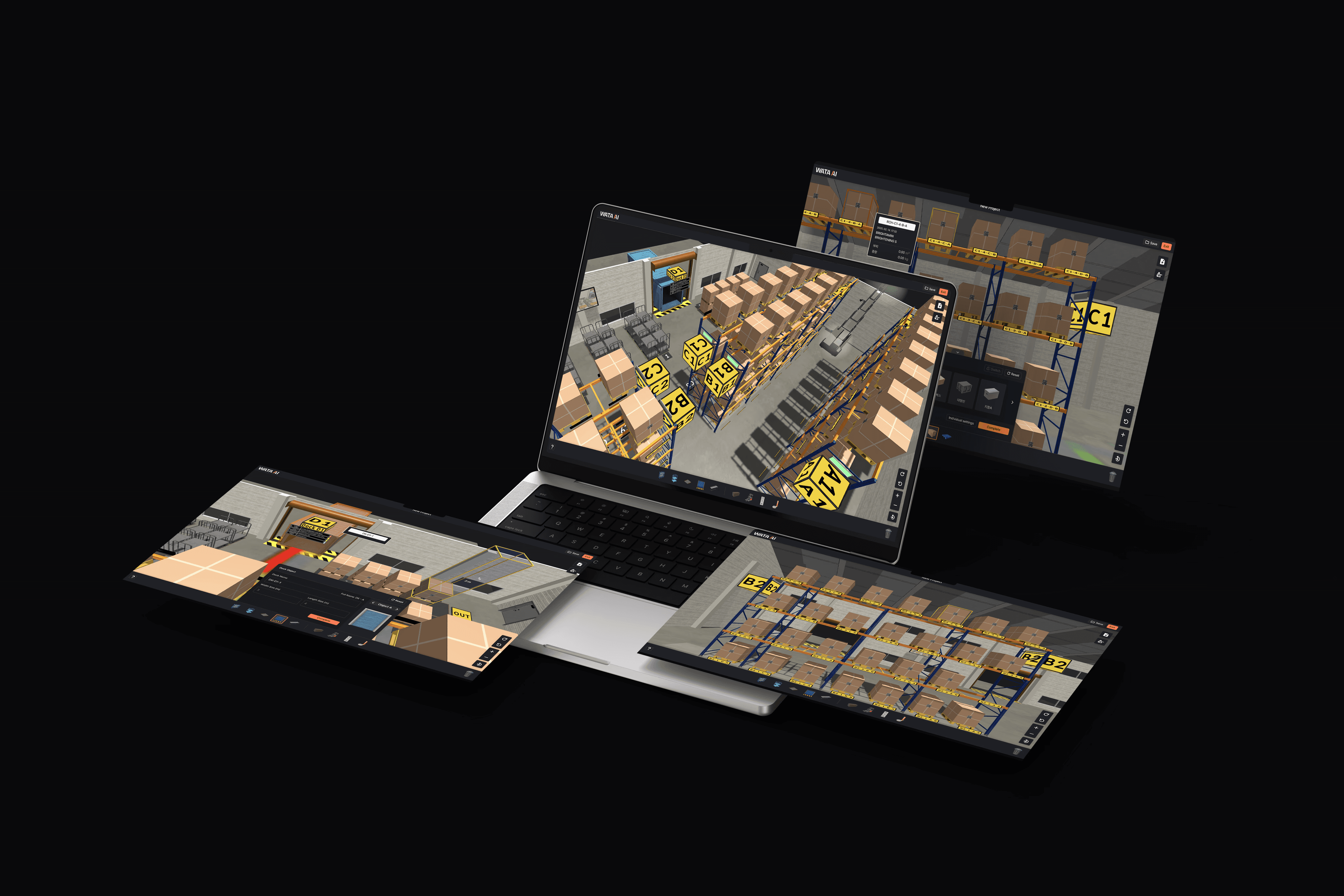
Users can implement a space that integrates real data to enable digital warehouse management. By utilizing DB integration, AI Vision Kit, and IoT sensors, real-time logistics movement data is collected, and automation of tasks based on this data enhances the efficiency of workers. At the same time, it reduces unnecessary human errors, improving the accuracy and reliability of logistics operations.

You can customize the names and quantities of various elements, and it supports intuitive features provided by common editing tools such as copy, paste, and grouping. This allows users to minimize inefficient time for learning and quickly and efficiently build a precise warehouse simulation that closely resembles a real environment.
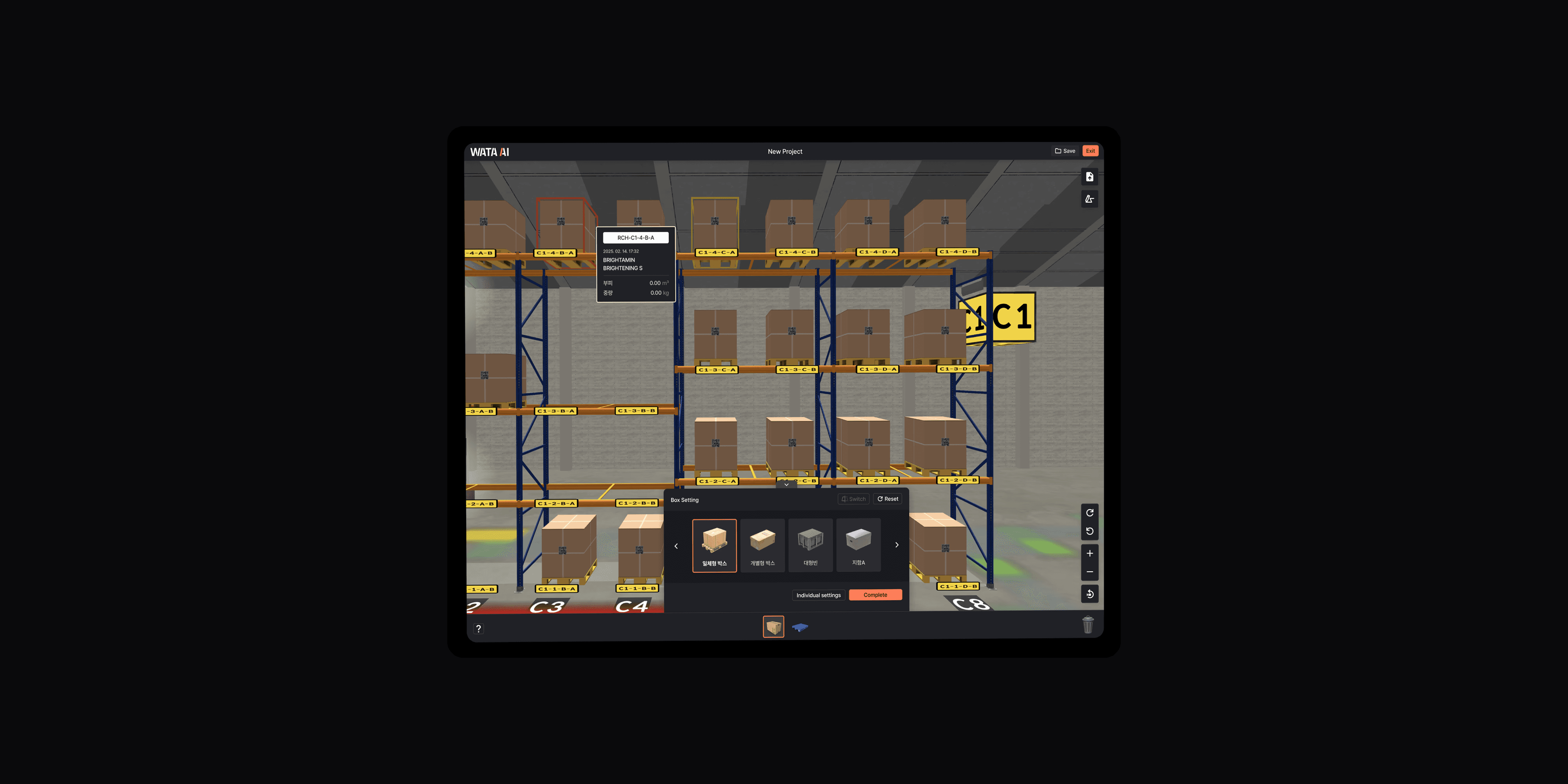
Workspace support
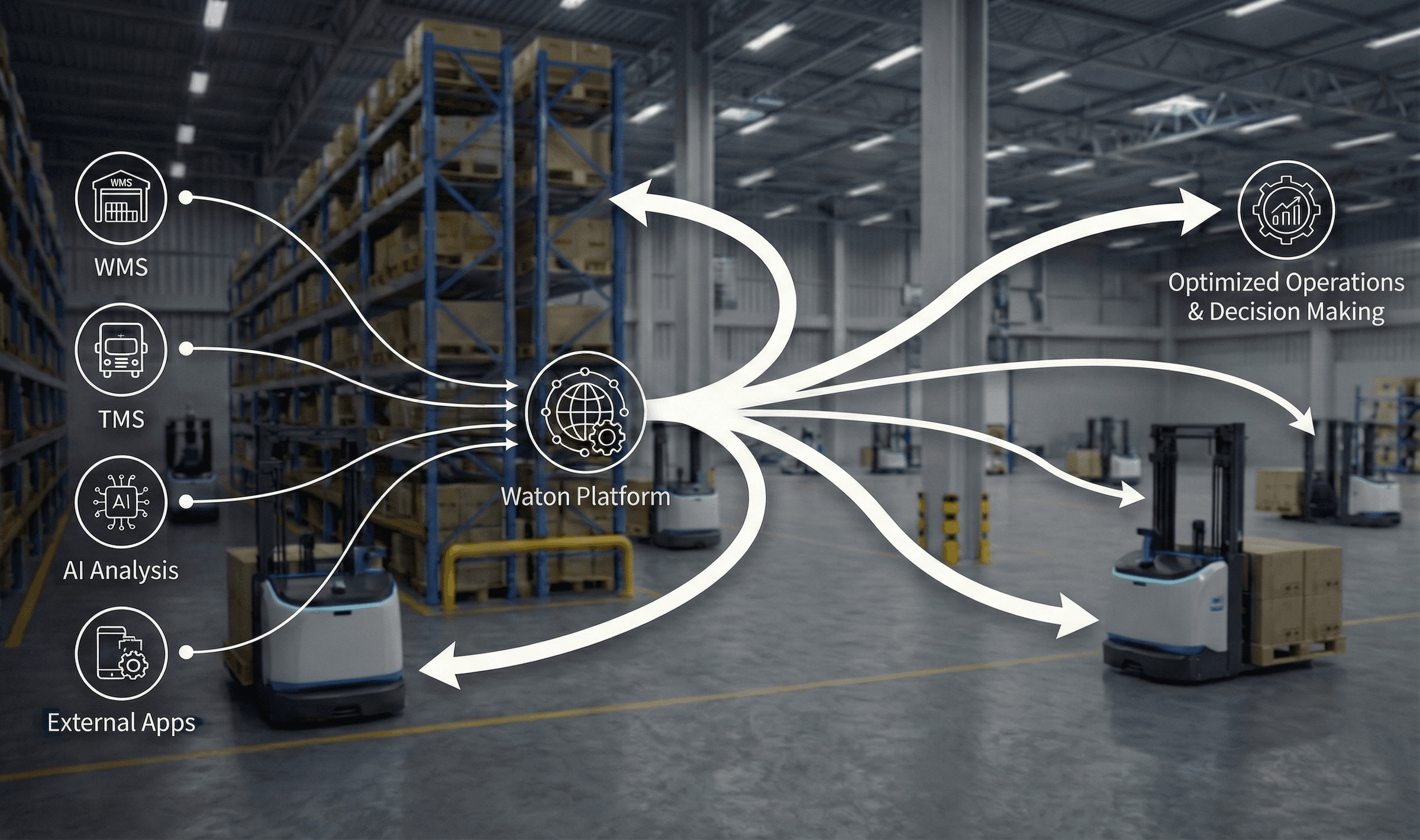
A digital twin workspace integrates various logistics data and external applications to provide unified information and create an efficient working environment. For example, it can visualize real-time inventory status, planned and confirmed inbound/outbound data, and the location of items in transit on the digital twin by linking with Warehouse Management Systems (WMS) or Transportation Management Systems (TMS). Additionally, by connecting with AI-based external analytical solutions for inventory forecasting and demand analysis, one can gain deep insights necessary for decision-making. Through this integration, it is possible to check and utilize dispersed information in one place, thereby maximizing transparency and efficiency in logistics operations.
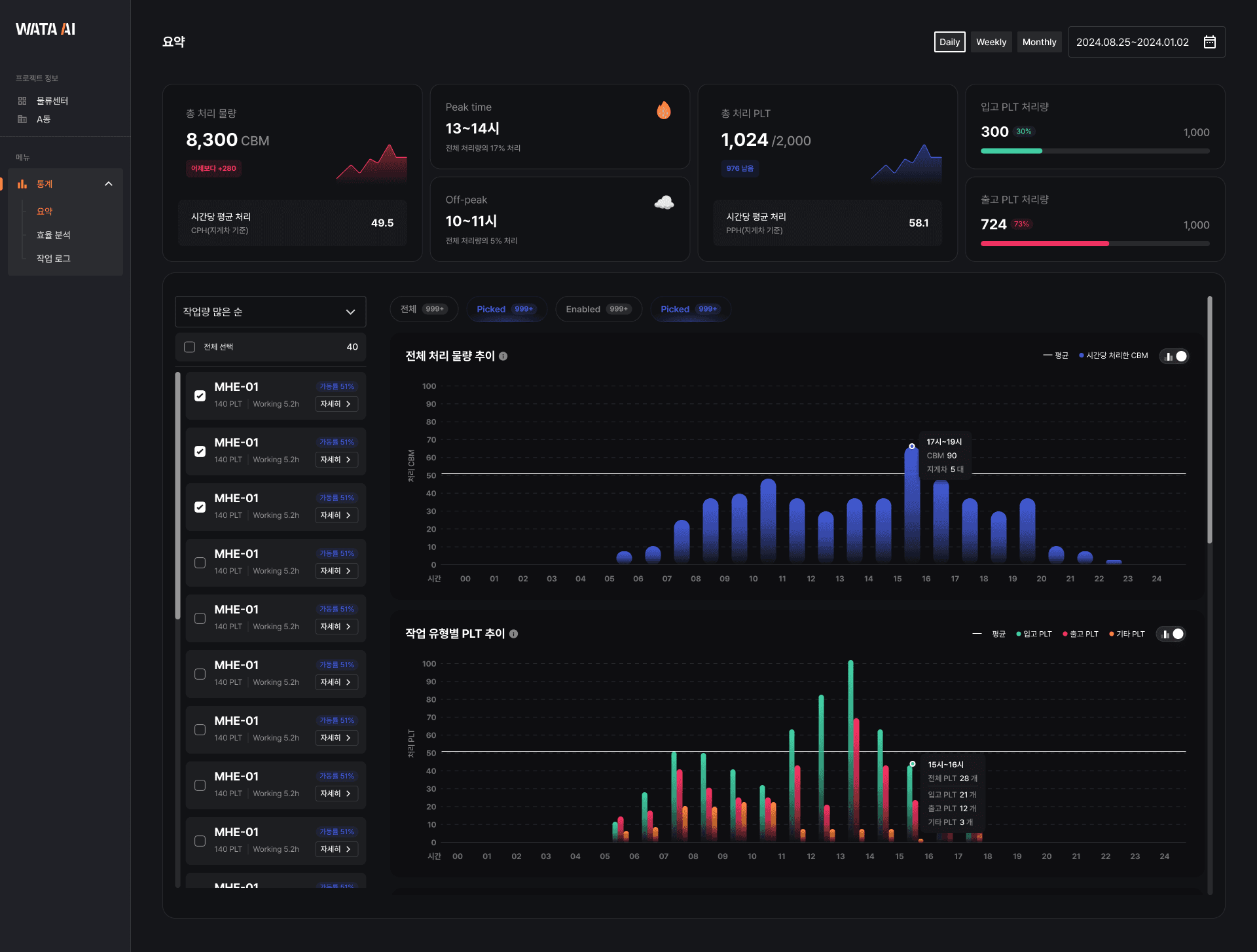
This feature performs statistical analysis based on the logistics data of each warehouse and visually represents it. For example, it analyzes the hourly inbound and outbound volumes, picking operation times, space utilization, and equipment utilization rates of a specific logistics center and presents them in the form of graphs or dashboards. This allows for an intuitive understanding of the operational efficiency of each building, making it easy to identify bottlenecks or inefficient areas. Additionally, it supports strategic decision-making by predicting future trends based on historical data or reviewing the operational efficiency of various scenarios through simulations.
Permission Management
It finely controls the access rights for users to certain functions within the digital twin solution. For instance, field managers can access operational functions such as inventory modification and task order creation, but their access to administrative functions such as changing system settings or creating user accounts may be restricted. In contrast, general operators can be configured to use only the functions for checking and reporting the completion of assigned tasks. This ensures that each user utilizes only the minimum functions necessary for their work, preventing system misuse and enhancing security.
This feature assigns specific functions of the solution based on the user's role, such as field managers or workers, and provides a customized interface accordingly. For example, the 'Field Manager' role includes a dashboard with essential functions such as real-time inventory monitoring, task scheduling, and equipment status checks. The 'Worker' role provides only the minimum necessary functions for actual task execution, such as assigned picking lists, task instruction confirmations, and completion reports, reducing complexity and enhancing user-friendliness. Through this role-based function assignment, users can focus on their tasks and reduce confusion caused by unnecessary function exposure.